Vildi að þú værir hér á þessum góða degi // Wish you were here on this postcard day

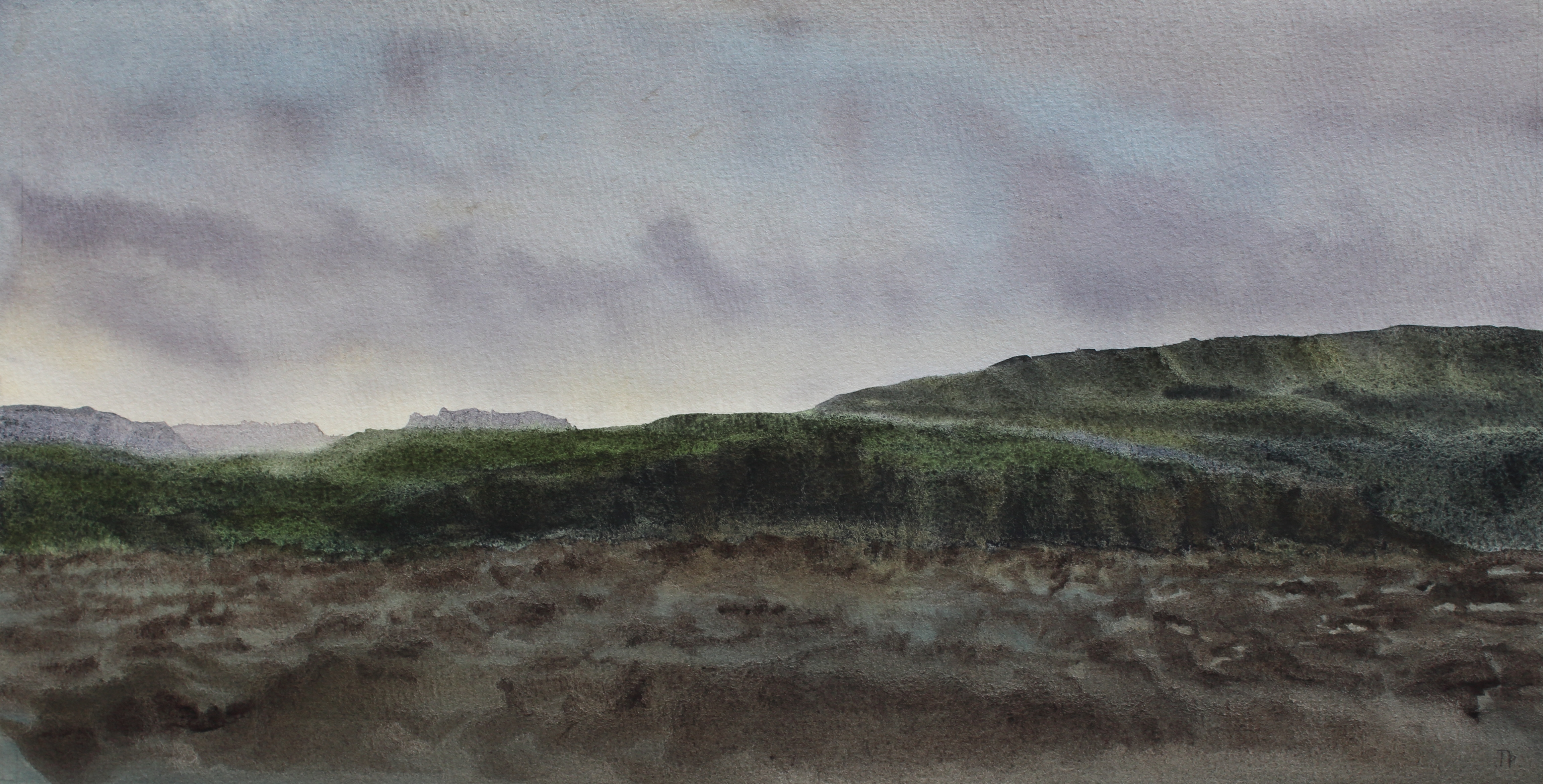
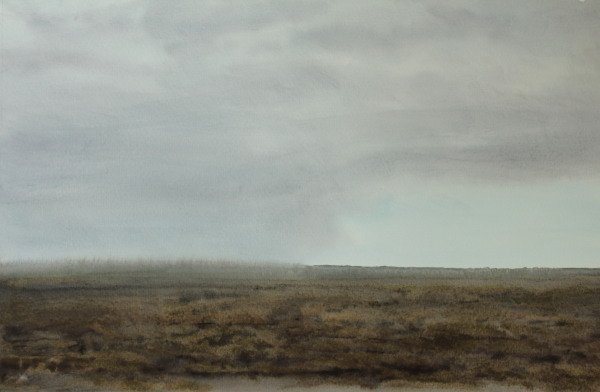
Hekla_i_humi_UHHÞegar við feðgar – Tóti og ég – ókum norður í fyrradag tókum við smá Jethro Tull syrpu. Hlustuðum síðan einnig á sólóplötu Ian Anderson The Secret Language of Birds (frá 2000 – óhætt að mæla með henni). Platan er að sögn nefnd eftir dagrenningarkórnum, þegar fuglarnir láta aftur í sér heyra eftir þagnarbilið um lágnættið. Þetta gerist sérstaklega á vorin eins og sá þekkir sem ekki hefur verið „allt of uppgefinn eina nótt að kveða og vaka …“

Eitt af lögum Ian Anderson höfðaði sérstaklega til mín – það heitir Postcard Day og fjallar um sektarkennd yfir því að vera að fara í frí. Hugsaði til Sólborgar minnar og hennar annríkis þegar þessi hending kom: “For you dear    and I wish you were here    on this postcard day”. Það var svosem ekki póstkortaveður þegar við Tóti vorum á ferðinni en seint eitt vorkvöld um daginn náði ég póstkortastemmningu í Grámosum þegar ég leit til Heklu – og svei mér ef ég skildi þá ekki loksins hvað hann spói spíssnefur var að segja – prakkarinn sá.
Hekla í morgunhúmi  akvarella  15×25  2014.

// When we father and son – Tóti and I – drove north the day before last, we took a small Jethro Tull session. We also listened to Ian Anderson´s solo album The Secret Language of Birds (2000 – highly recommended). It is said that the album is named after the dawn chorus, the natural sound of birds heard at dawn, most noticeably in the spring. Calls to mind the well known lines from Stephan G. Stephansson‘s poem: “Who is too exhausted one night to rhyme and wake …”

One of Ian Anderson´s songs in particular spoke to me; Postcard Day which deals with holiday guilt. Thought of my wife Solborg and her many chores when the line was recited: “For you dear    and I wish you were here    on this postcard day”. It wasn’t exactly postcard weather when Tóti and I were travelling but this spring I really caught some postcard nuances in a view towards Hekla during dawn – and blimey if I didn’t understand then what the curlews were saying.
Mt. Hekla at dawn aquarelle 15×24  2014
Úrkoma í grennd // Showers in the vicinity

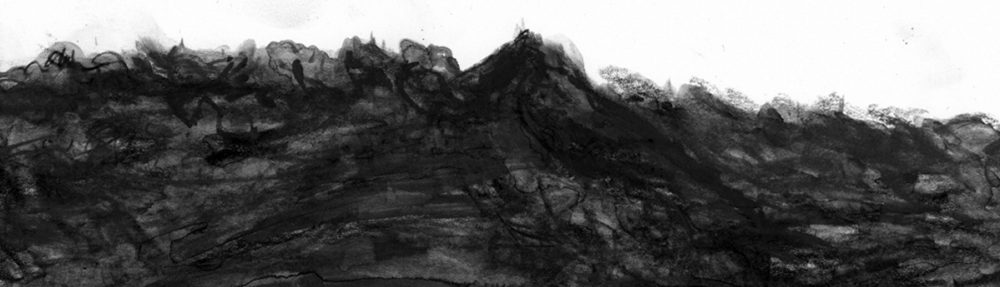
Vedrabrigdi_yfir_gamla_UHHSem strákur dvaldi ég mörg sumur í sveit í Borgarfirði og þar var alltaf fylgst grannt með veðurskeytunum. Eitt af því sem stundum kom fyrir í þessum skeytum var viðkvæðið „Úrkoma í grennd“. Man að ég þurfti að spyrjast fyrir um það hvar þessi grennd væri eiginlega. Fékk greið svör við en einhver hefur kannski brosað í kampinn. Fann seinna út að fyrirbærið er skemmtilegt viðfangsefni og á sýningunni sem nú hangir uppi er nokkur verk þar sem ég spái í skúrirnar.
Veðrabrigði yfir gamla Eldgjárhrauninu  29×45 2014.

// As a boy I dwelt many summers on a farm in Borgarfjörður where people always listened carefully to weather reports on the radio. One thing that the narrator often mentioned was “Showers in the vicinity”. I seem to remember asking where this “vicinity” was and getting a prompt answer. Maybe some amusement was also expressed. I later found that showers in the vicinity are also interesting pictorial phenomena and in the current exhibition in Akureyri there are some works containing such weather reports.
From the old Eldgjá lava field 29×45 2014. [Eldgjá is a volcano in the South with a history of colossal eruptions. The lava field depicted is from pre-historic time, i.e. not the 934 eruption.]

Vedrabrigdi_yfir_gamla_UHH

Húm // Dusk

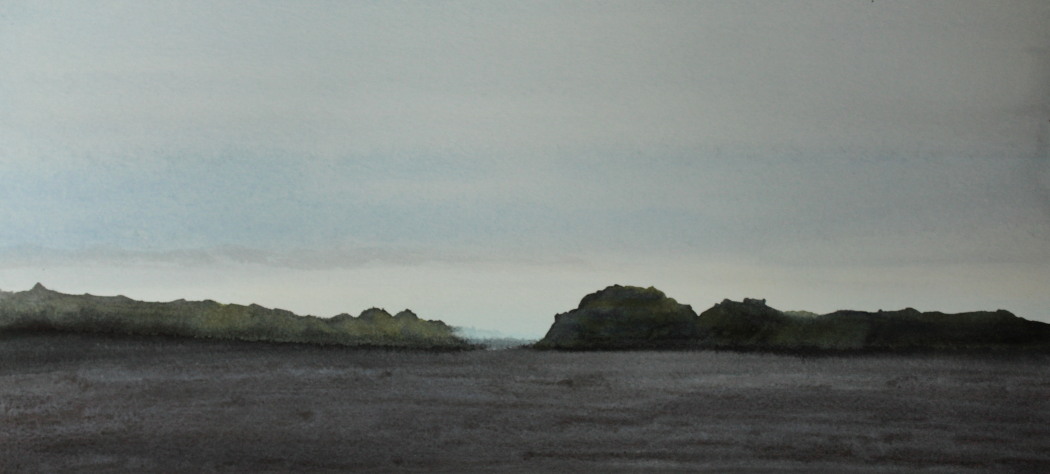
Á sýningunni eru nokkur verk þar sem ég freista þess að gera húminu skil. Birtubrigðin spanna þá oft sérlega breitt svið sem gaman er að fást við. Úr verður krómatískur skali frá núllpunkti einhvers staðar í myndinni yfir í dökkt dökkt. Myndbyggingin stjórnast af því hvar núllpunkturinn er en oft finnst mér það koma vel út að kljúfa punktinn í tvennt og velja mótívið þannig að punkturinn detti sitt hvoru megin við fjall í fjarska.
Dalbæjarstapinn  akvarella  20,5×37,5  2014
[Eldhraunið í forgrunni].

// In the current exhibition in Akureyri there are some works in which I venture to portray dusk. The challenge is usually to catch the range of luminosity experienced. This range often takes the form of a chromatic scale (if you like) from a zero point somewhere in the picture over to nuances of the darkest dark. The composition is governed by the zero point but I often find that it is quite interesting to split the point in two when choosing the motive in order for the zero point to fall on both sides of some prominence in the distance. Dalbæjarstapinn  aquarelle  20,5×37,5  2014
[Dalbæjarstapinn is a rocky outcrop with grass on top bordering the Eldhraun lava field in the foreground].

Undir háum himni // Under tall skies

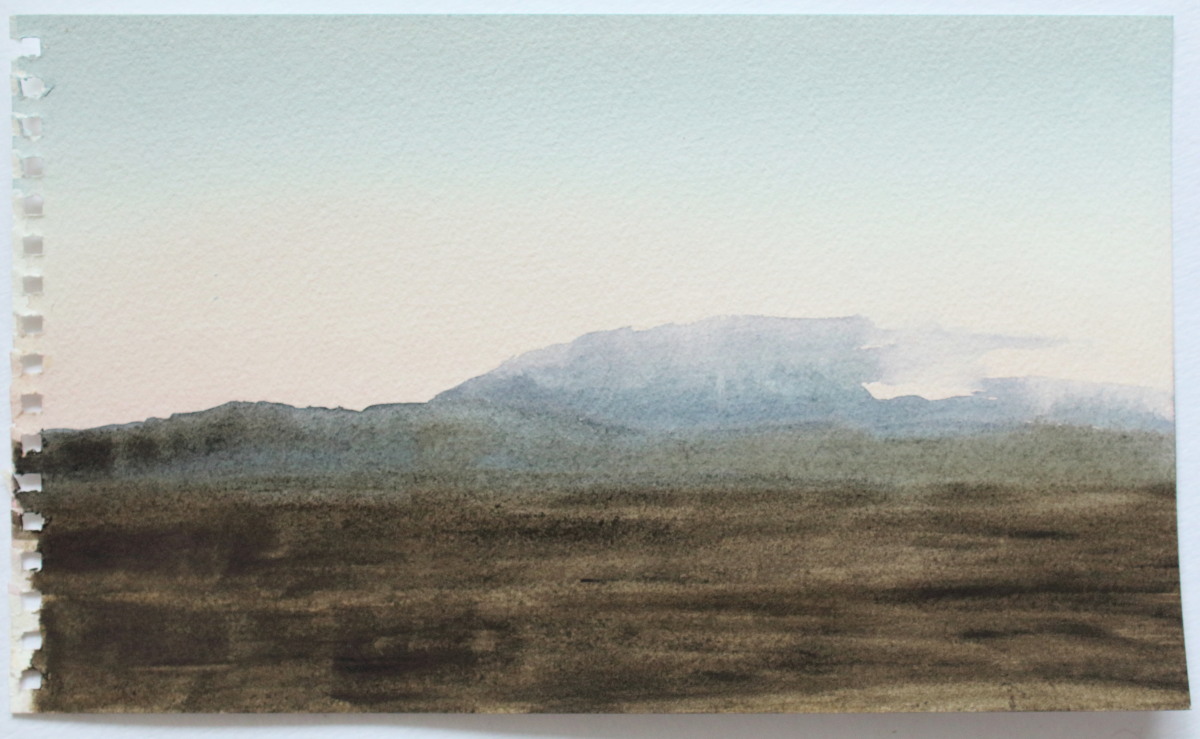
Yfir_blaanValdi þessa mynd til þess að vera andlit sýningarinnar. Hún stendur á trönum við gluggann og vísar út í Listagilið. Við Sólborg höfum svo oft ekið yfir Mýrdalssandinn og ég hef í fleiri myndum notað þetta skemmtilega mótív þar sem vesturhlíðina á Hafursey ber við sporðinn á Kötlujökli. Stundum er eins og himininn hreinlega speglist í sandinum og þá fær hann svolítið hlýjan bláan jarðarlit sem kallast á við kaldan bláan himininn uppaf jöklinum.
Yfir bláan  akvarella  21,5×48,5  2014

// I chose this work to portray the exhibition. It is placed on an easel by the window facing out into the Listagil. My wife Solborg and I have often driven across the Mýrdalssandur, past the glacier under which Katla lurchs. I have in other works used the interesting motive where the western slope of Mt. Hafursey meets the outlet glacier. At some occasions it is nearly as if the sky is reflected in the sand, rendering it with a relatively warm bluish, earthly tinge in contrast with the cool blue skies over the glacier.
Over blue  aquarelle 21,5×48,5  2014.